
If you have specified or bought cast stone, you have probably seen the terms "dry-cast" and "wet-cast." They describe the two ways a cast stone unit is actually formed in the mold. Both make true architectural cast stone, and both can look like natural limestone. The method just changes the texture, the level of fine detail, and how fast a unit can be produced.
Here is a plain-English guide to the difference, with the trade-offs for a typical New York City facade or restoration job.
Cast stone, formed two ways
Cast stone starts from the same basic ingredients: white and/or grey cement, graded natural aggregates, and mineral color. What changes is how much water is in the mix and how that mix is placed in the mold. That single choice is what separates dry-cast from wet-cast. For the full material background, see our guide on what cast stone is and how cast stone is made.
Dry-cast cast stone (vibrant dry tamp)
Dry-cast, also called vibrant dry tamp or VDT, uses an almost earth-dry, low-moisture mix. The material is packed into the mold in layers and compacted with vibration and tamping until it is dense. Because the mix holds its shape, the unit can often be removed from the mold right away, which frees the mold for the next piece.
What that means for you:
- Look: a fine, uniform, matte texture that reads a lot like quarried limestone, right off the mold.
- Strength: dense and durable, well suited to exterior trim that takes weather and freeze-thaw.
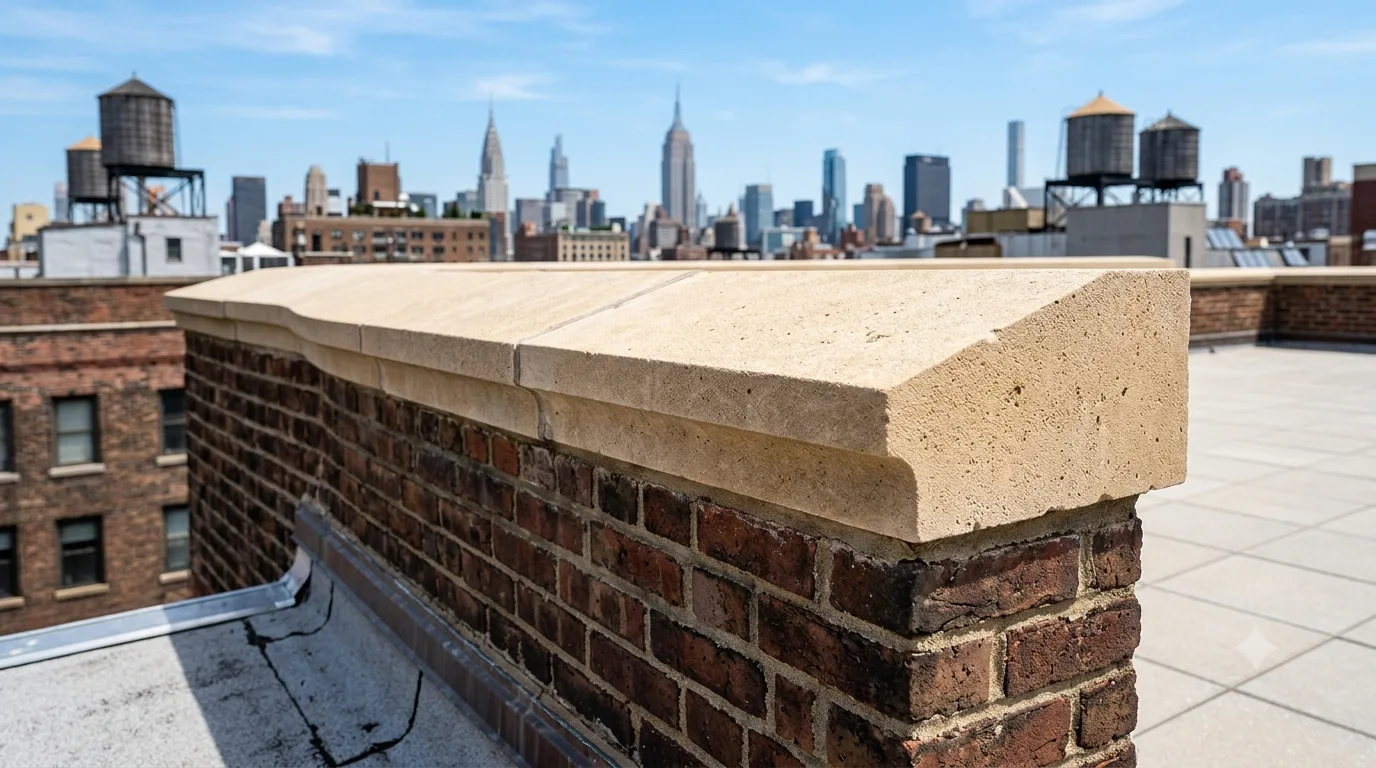
- Production: efficient for repeating units like window sills, coping, and band courses.
- Trade-off: very deep undercuts and the most intricate ornament are harder to capture than with wet-cast.
Wet-cast cast stone
Wet-cast uses a flowable, higher-moisture mix, closer to a fine concrete. It is poured into the mold and consolidated with vibration, then left to cure in the mold before it is removed. Because the mix flows, it fills every part of a detailed mold.
What that means for you:
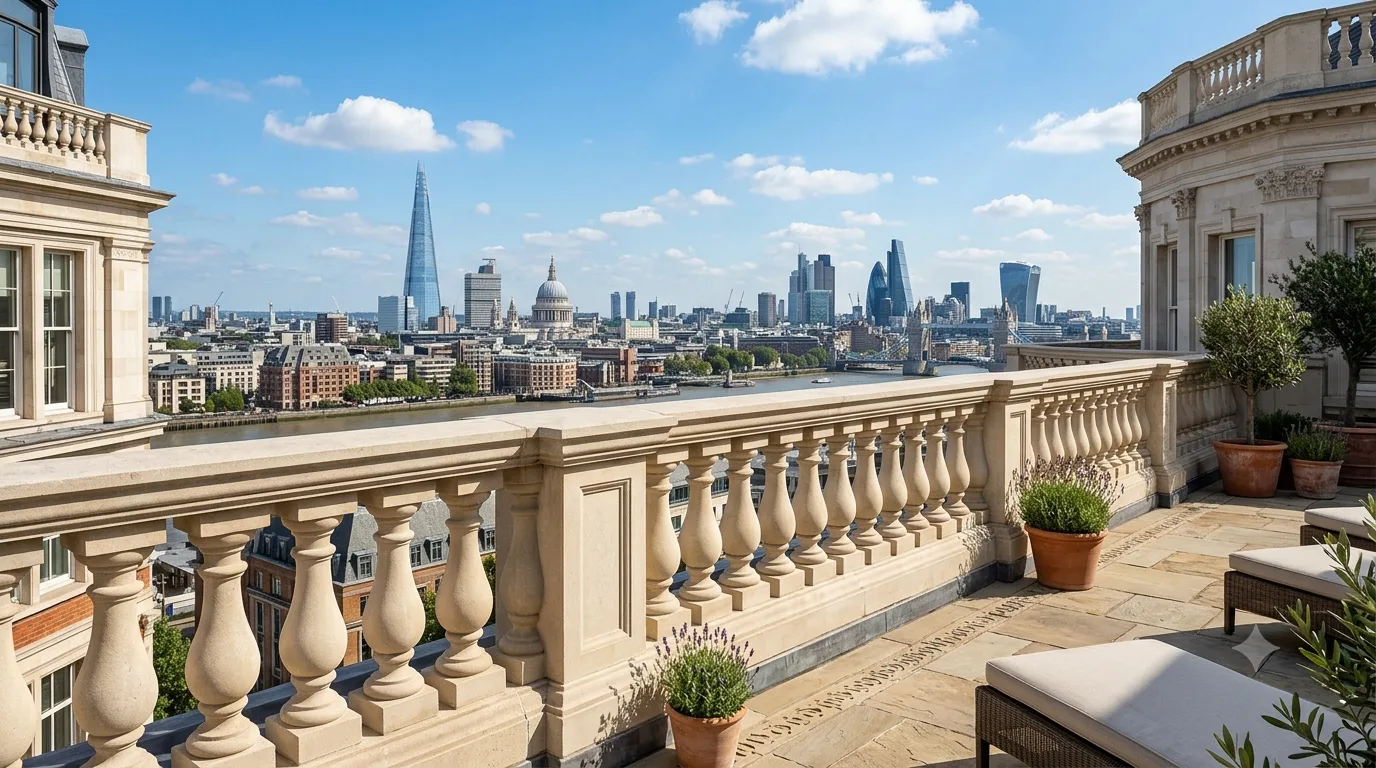
- Detail: excellent for ornate, deeply modeled pieces such as capitals, brackets, cartouches, and heavy relief.
- Finish: the as-cast surface is smoother and more concrete-like, and is often lightly etched or honed to bring out a stone look.
- Size and shape: a good fit for large or complex one-off units.
- Trade-off: the unit stays in the mold longer to cure, so production of many identical pieces is slower than dry-cast.
Dry-cast vs. wet-cast at a glance
- Natural-stone texture off the mold: dry-cast usually wins.
- Fine, intricate ornament and deep relief: wet-cast usually wins.
- Repeating units, faster output: dry-cast.
- Large or highly sculptural one-offs: wet-cast.
- Durability for NYC exteriors: both perform well when made correctly and cured properly.
Which should you choose for your NYC project?
Match the method to the piece, not the other way around. Plain, repeating trim such as sills, lintels, coping, and water tables is a natural fit for dry-cast. Ornate elements such as elaborate capitals, keystones with carving, or deep cornice profiles are often better in wet-cast. Many facades use both on the same building, chosen piece by piece, so the whole package matches in color and finish.
The right answer also depends on your color, your budget, and your schedule. For a restoration where you are matching existing limestone or brownstone, the finish and color match matter as much as the method. See our guide on choosing the right cast stone color for more on that.
Not sure which method your project needs? Send us your drawings and we will recommend the right approach for each element, and price it.
Request a Quote or browse our cast stone products and cast stone vs. precast guide.