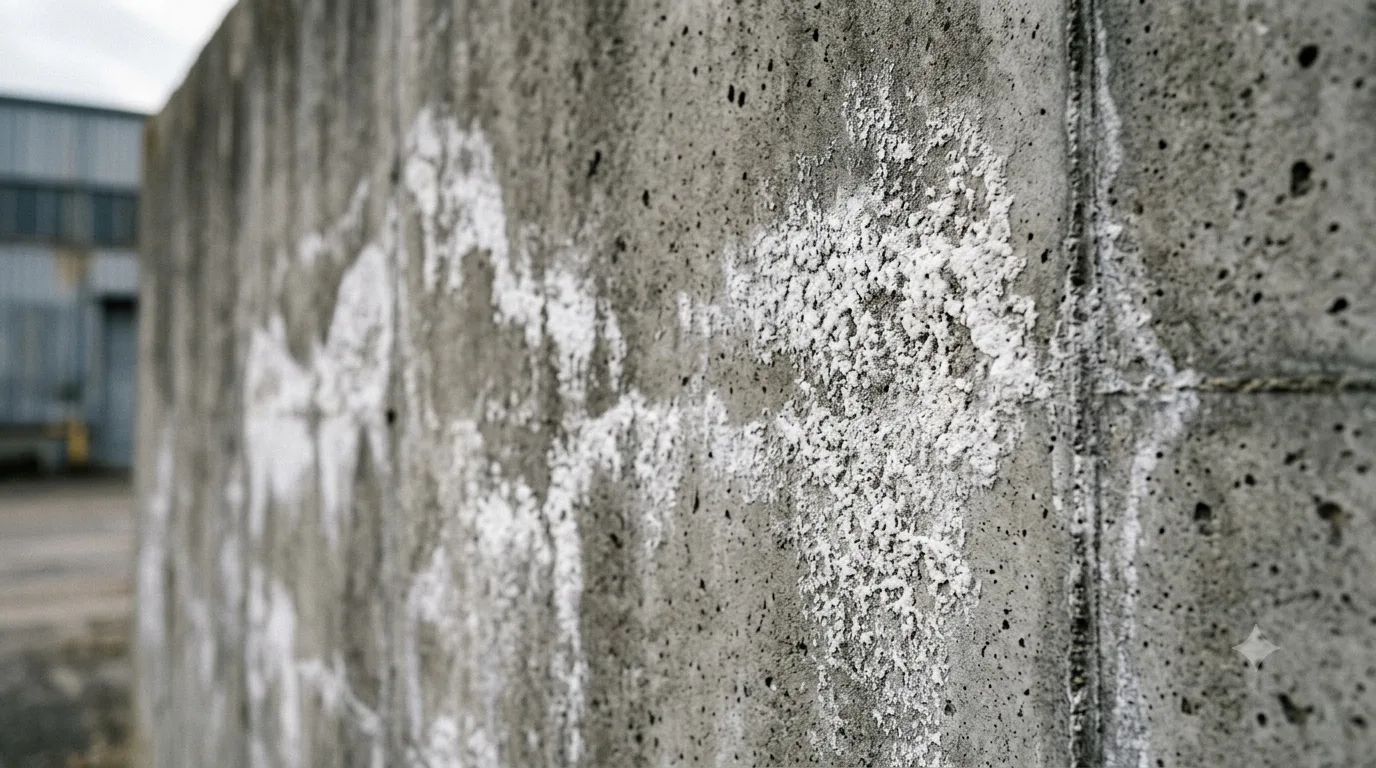

A parapet takes the full force of NYC weather, and its coping fails first. Because the parapet rises above the roofline and is exposed on every side, keeping water out of its top is critical — and that is the job of the coping. Here is why parapets fail and how cast stone restores them.
Why parapet coping fails
Coping is constantly wetted and dried, heated and frozen. Over time:
- Joints open and let water into the parapet core
- Freeze-thaw cracks and spalls individual coping stones
- Coping shifts or loosens and stops shedding water
- Inadequate overhang lets water run back onto the wall
What happens next
Once water enters the parapet, it saturates the masonry and freezes, pushing bricks and stones apart. Left unaddressed, a deteriorated parapet becomes an Unsafe condition under Local Law 11 — and a genuine falling-hazard risk over the sidewalk.
How cast stone restores a parapet
The fix replaces deteriorated coping with dense cast stone units cast to the correct profile — with proper slope, overhang, and drip edge — color-matched to the facade. The masonry below is rebuilt or repointed as needed, and drainage is restored. See how precast coping protects a parapet.
Plan a lasting repair
Because cast stone is low-permeability, a properly installed parapet repair keeps water out for decades. Request a parapet repair quote from Mohan's Precast.